Business Name: FootPrints Home Care
Address: 4811 Hardware Dr NE d1, Albuquerque, NM 87109
Phone: (505) 828-3918
FootPrints Home Care
FootPrints Home Care offers in-home senior care including assistance with activities of daily living, meal preparation and light housekeeping, companion care and more. We offer a no-charge in-home assessment to design care for the client to age in place. FootPrints offers senior home care in the greater Albuquerque region as well as the Santa Fe/Los Alamos area.
4811 Hardware Dr NE d1, Albuquerque, NM 87109
Business Hours
Monday thru Sunday: 24 Hours
Facebook: https://www.facebook.com/FootPrintsHomeCare/
Instagram: https://www.instagram.com/footprintshomecare/
LinkedIn: https://www.linkedin.com/company/footprints-home-care
Families rarely sit down to draw up the last decade of a parent's life up until a fall, a new diagnosis, or a peaceful realization forces the conversation. Cash gets in the space early and stays. The choice in between elderly home care and assisted living is not just about dollars, but the monetary image helps clarify what's possible, what's sensible, and where the concealed trade-offs sit. I have actually strolled through these decisions with customers and my own relatives, and the answer is rarely https://damieniluy372.raidersfanteamshop.com/creating-a-home-care-plan-for-parents-safety-nutrition-hygiene-and-companionship cool. Costs swing commonly by region, requires, and household support. Still, patterns emerge, and they can guide you toward a strategy that fits.
What "care" indicates in each setting
Home care, often called in-home care or senior home care, brings assistance into a senior's home or house. Many families begin with nonmedical aid: bathing, dressing, meal prep, light housekeeping, transfers, and companionship. This is the domain of the senior caretaker, often utilized through a home care service, often hired independently. Experienced nursing sees, physical therapy, and injury care can layer on through home health agencies, often covered by Medicare for restricted durations, but that is scientific and episodic. The core of at home senior care is ongoing, nonmedical assistance, paid out of pocket.
Assisted living is a residential design. Your moms and dad moves into a personal or semi-private house, meals are provided, personnel are on website, and help with activities of daily living is available. It's social and structured. The base regular monthly rate covers space and board, utilities, meals, housekeeping, and some level of help. Additional costs rise with care needs. The building itself has features, from beauty parlor to transportation vans, which vary with cost point.
Understanding that separation assists you compare apples to apples. In home care, you spend for hours of hands-on assistance and you keep paying for your real estate and energies. In assisted living, more of life's overhead rolls into one foreseeable monthly bill, however you trade the familiarity of home and accept the community's rules.
The short version on expense ranges
Caregiving costs change by area, caregiver qualifications, and the strength of support needed. Recent nationwide studies use ballpark numbers that hold up in the field:
- Nonmedical home care: roughly 28 to 38 dollars per hour in lots of city locations, with rural areas dipping lower and expensive seaside markets striking the mid-40s. Overnight or live-in plans work in a different way, typically using flat everyday rates and state labor rules. Assisted living: typically 4,000 to 7,500 dollars monthly as a baseline, with memory care wings running 20 to 30 percent greater. Add-on care tiers can push a resident above 8,000 dollars where staffing needs are heavy or the market is pricey.
Geo matters. A one-bedroom assisted living house in rural Ohio might run 4,200 dollars plus care, while a similar neighborhood outside Boston may start near 7,000 before care levels are added. The exact same pattern holds for at home rates. I have actually seen families in Phoenix safe and secure trustworthy senior care at 30 dollars per hour and families in San Jose pay 45 for the exact same level of support.
These bands provide you a frame. The decision depends on the number of hours your loved one needs, what you currently invest to maintain the home, and the value you put on continuity versus convenience.
How the mathematics actually plays out for home care
The financial story of elderly home care starts with hours. A couple of examples make it tangible.
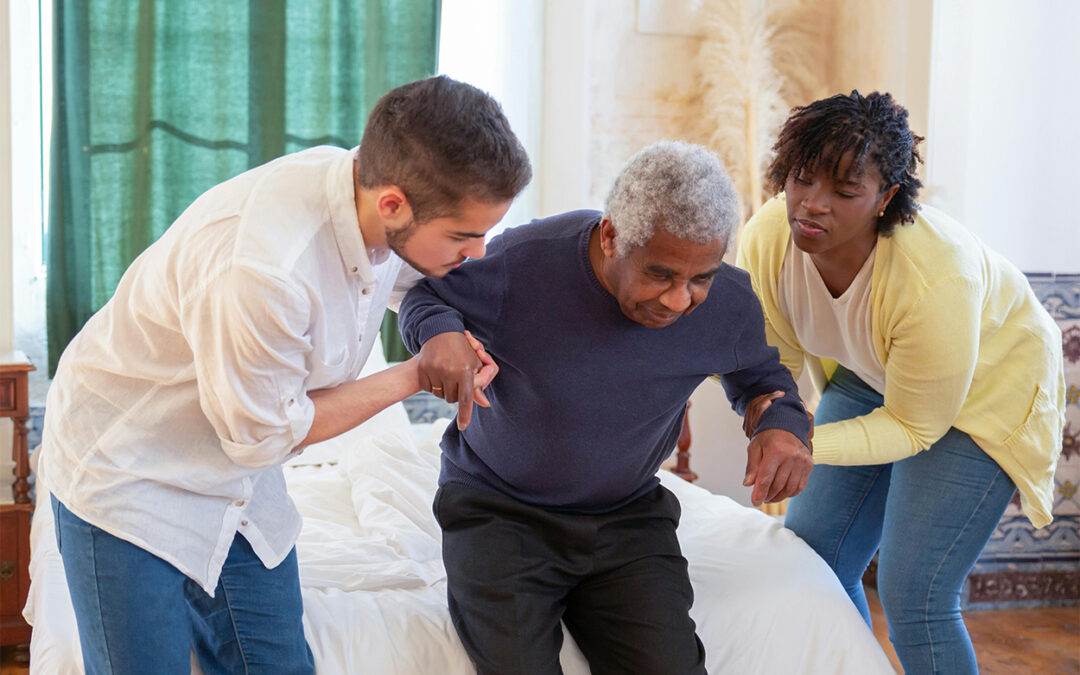
Imagine your father needs aid with bathing, breakfast, and a check-in each afternoon. You bring in a senior caregiver for 3 hours in the morning and 2 hours later in the day, five days a week. At 32 dollars per hour, that's 5 hours x 5 days = 25 hours weekly, about 800 dollars. Month-to-month, you're near 3,300 to 3,600 dollars depending on how weeks fall. Add in groceries, energies, and the existing costs of your home or house, which may run 1,500 to 3,000 dollars or more, and your monthly burn sits approximately between 4,800 and 6,600 dollars.
Now push the requirements greater. Parkinson's advances, your mother is unstable, and she needs assistance early mornings, evenings, and overnight supervision. You set up 12 hours each day, seven days a week. At 34 dollars per hour, that's 408 dollars daily, about 12,240 monthly. If you arrange live-in care, some companies or private caregivers provide everyday rates that appear more budget-friendly, say 350 to 450 dollars daily, but compliance with labor laws matters. Numerous states require overtime, ensured sleep hours, and different spend for interrupted sleep. If your loved one wakes several times nighttime, the live-in plan can sneak towards two caretakers rotating shifts, and the everyday rate no longer holds.
Illness is bumpy, not linear. Needs can jump for a few weeks after a hospitalization and then settle. Medicare may cover periodic proficient nursing and treatment, however it does not spend for long-lasting custodial care like bathing or dressing. Some families deal with nights themselves to keep paid hours down. That saves money and can work for a season, but burnout climbs up quickly when care surpasses 40 hours a week. I have actually seen adult kids who insisted they could handle nights lose 6 months of their own health and profession momentum. The mathematics of home care has actually concealed rows for caretaker stamina.
What's inside the assisted living bill
Assisted living communities price quote a base rate that includes the apartment, utilities, housekeeping, meals, and arranged activities. Care is tiered. A resident examined as "Level 1" may receive cueing and periodic hands-on aid, while "Level 3" or "Level 4" covers regular transfers, incontinence care, and more time-intensive assistance. Each action adds a couple of hundred to more than a thousand dollars each month. Some structures use point systems, others flat tiers. If a community offers a low heading rate, ask how care is billed when needs rise.
Memory care, often a secured floor with specialized shows, carries a premium. Anticipate a 1,000 to 2,200 dollar boost over the same neighborhood's assisted living flooring. For locals who wander, show exit-seeking behavior, or have mid-stage dementia, memory care staffing and training validate the cost. But if you simply require hands-on aid with bathing and dressing and your loved one is still socially engaged, the mainstream floor might fulfill needs for a while at a lower price.
There are ancillary charges that can shock people. Medication management often carries a regular monthly fee, which can scale with the variety of prescriptions. Transportation outside scheduled routes, escort services to medical visits, in-room dining beyond illness durations, and cable or phone, all might appear on the billing. I constantly ask families to ask for a sample regular monthly declaration with a care plan attached so you see whatever that might be billed.
When you compare, consist of the home's expenses you no longer pay. If your current monthly home expenses run 2,500 dollars and the assisted living base plus care lands at 6,000, the incremental cost over staying at home with no paid caregiving is 3,500. But if you currently pay for in-home care three days a week at 1,500 per month, the space shrinks.
Quality, security, and intangible returns
Money beings in the foreground, but worth hides in the intangibles. Senior citizens who prosper on regular frequently prefer in-home care, where the chair faces the same window and the coffee mug sits in the same cabinet. Dementia signs can reduce when the environment recognizes. For a widower who gardens, the lawn may be therapy. A home care service that sends the very same senior caretaker consistently can develop trust and reduce anxiety.
Assisted living trades that familiarity for immediacy of aid. Press a call button, somebody appears. Fall action times are measured in minutes, not nevertheless long it takes a neighbor to discover. Meals get here without shopping or cooking. Social contact occurs in the hallways and dining room. Isolation, a major health threat in late life, typically eases. I keep in mind a quiet retired teacher who resisted the move for months, then discovered the early morning crossword club and got 5 pounds in the very first quarter from routine meals and chatter.
Not every neighborhood delivers on its tour-day polish. Personnel turnover, management style, and census levels change the experience. Similarly, not every home care arrangement is smooth. Agencies differ in how they evaluate, train, and backfill. Private hires can feel like family till they end up being vital and after that request for abrupt raises. Each course has failure modes. Look for backup plans. In a community, ask what occurs when your moms and dad's needs leap overnight. In the house, ask who covers if your key caretaker is out sick.
The break-even question
Families frequently ask: at what point does assisted living expense less than home care? The simple limit tends to land around 35 to 50 hours each week of paid in-home support, depending on local rates and home expenses. Once you spend for day-to-day protection with morning and evening help, plus some weekend hours, the all-in expense of remaining at home can match or surpass a mid-market assisted living setup.
A rough sketch helps. Expect the assisted living choice is 6,200 dollars monthly all-in for your mother's current requirements. Home care at 34 dollars per hour times 40 hours per week equals about 5,900 monthly. If she owns her home and the regular monthly carrying expenses are modest, maybe 1,200 dollars, then staying at home lands near 7,100. If her home expenses sit closer to 2,500 dollars, the space broadens. On the other hand, if you can cover some hours yourself or if a spouse provides most care, the math favors home. That is how 2 relatively similar families end up picking differently.
Hidden expense motorists people miss
- Transportation and consultation time: In your home, a caregiver might invest two hours getting to and from a 20-minute consultation. In assisted living, neighborhoods sometimes coordinate van runs, but escorts normally cost extra. Nighttime needs: Even one nightly transfer turns live-in care from peaceful to active service, which lawfully moves the payment framework. In assisted living, nights are covered by awake staff. Hospitalization resets: After a medical facility stay, a senior may momentarily require more care. Assisted living can frequently scale quickly for a month. In the house, you need to discover and money additional hours immediately. Home adjustments: Ramps, grab bars, expanded doors, and shower conversions settle in safety but can include thousands upfront. Split-level homes with multiple stairs can be hard to adapt sufficiently, which drives labor hours for transfers. Family caregiver expenses: Lost work hours, travel, and interruption tax the home in manner ins which don't show up in a neat spreadsheet. Track them for a month; you will see the weight.
Paying for care without getting trapped
Most long-lasting care is paid of pocket. Medicare covers treatment and brief stints of skilled home health, not continuous custodial assistance. Medicaid can money long-term take care of those who certify financially, either in nursing homes or through home- and community-based services waivers, but gain access to depends upon state guidelines and waitlists. Long-term care insurance, if acquired earlier, can offset home care or assisted living costs with day-to-day benefit amounts set by the policy. Evaluation elimination periods, inflation riders, and whether the policy pays indemnity or reimbursement.
Veterans and enduring spouses might get approved for Aid and Attendance, which can include a number of hundred to over two thousand dollars each month towards care, based on service, medical requirement, and financial requirements. Lots of families miss this benefit or presume they do not certify. A VA-accredited representative or county veteran service officer can assist you browse the application without offering you items you don't need.
If you have a home with considerable equity, a home equity line or reverse mortgage can help fund in-home senior care while keeping the home. This needs a frank discussion among successors and the house owner about top priorities and run the risk of tolerance. I have actually seen a well-structured reverse home loan purchase three steady years at home and preserve dignity, and I have actually likewise seen households prevent it smartly because the most likely time horizon in the house was short.
When dementia changes the calculus
Cognitive decline shifts both cost and security. Early stage dementia frequently fits beautifully with in-home care coupled with day programs and structured routines. Mid-stage introduces wandering, watching, and sleep disruptions. If nights end up being busy, home-based plans strain. The per-hour cost of care climbs as hours increase, while the value of a protected memory care environment rises because security is embedded in the building style and staffing.
Memory care often appears costly, however if you cost out 24-hour home protection with awake overnight caretakers, memory care is typically less. The decision still weighs individual values. Some families accept greater expenses to keep a partner in the house because it matches their swears and energy. Others move faster to save resources and stabilize day-to-day life.
Realistic scenarios from the field
A retired engineer in his late seventies lives alone in a paid-off ranch home. He has moderate mobility problems and early Parkinson's. He employs senior home care for early mornings 3 days a week to help with showering and to keep him sincere about breakfast. At 30 dollars per hour, nine weekly hours cost approximately 1,100 dollars each month. He spends another 1,400 dollars on energies, groceries, and home upkeep. A transfer to assisted living at 5,000 dollars would quadruple his investment, and he values his workshop. Home is the clear choice for now.

A former nurse in her mid-eighties has dementia, is up 2 to 3 times per night, and has begun leaving the range on. Her child lives close-by but works full-time and has two teens. The family attempted live-in care, but sleep interruptions activated overtime and caregiver modifications. Month-to-month expenses drifted above 13,000 dollars with inconsistent protection. A move to memory care at 8,200 dollars stabilized expenses, allowed the daughter to return to being a child, and minimized ER visits from 2 in 6 months to absolutely no in the next year.
A couple in their early nineties occupies a condominium with an elevator. He is primarily independent; she requires help with transfers and toileting. They alternate stresses: his back strains when he helps, her anxiety spikes with strangers. They settle on afternoon senior care six days a week and pay 3,000 dollars month-to-month. A companion caregiver shows them safe transfer techniques and minimizes arguments. They reassess every quarter. Assisted living would be more foreseeable however would separate them into various care tiers, increasing the expense and losing the home rhythm they cherish.
Practical ways to pressure-test your numbers
Projection exercises assist anchor decisions. Start with a 12-month horizon, not a single month. Chart best case, expected case, and hard case. If Dad's requirements rise by 20 percent, what happens to the budget plan? If a caregiver stops, how rapidly can your home care service backfill and at what per hour rate? If the assisted living care level boosts by one tier, what is the new month-to-month expense? You will not predict perfectly, but the exercise exposes fragile assumptions.
Do a shadow month. Track time spent on caregiving tasks, mileage, out-of-pocket extras, and any paid hours you use now. Households typically find they currently supply the equivalent of 20 paid hours weekly without calling it that. Knowing the standard clarifies what you're asking your future self to sustain.
Ask for openness. From a home care service, request a composed rate sheet, minimum shift length, holiday rates, and policies for overtime or overnight interruptions. From an assisted living neighborhood, ask to see the care assessment tool, tier descriptions, and a sample invoice revealing line products like medication management and escorts. If a memory care premium applies, get the specific number and whether it is fixed or can inflate with care points.
Where versatility makes its keep
Both paths benefit from modularity. With in-home care, develop a schedule that can scale: a standing morning routine with the option to include nights on brief notice. Deal with an agency that preserves a bench and uses constant staffing. If you employ independently, have a second caretaker all set and a contingency fund for gaps. Keep the home safe with grab bars, excellent lighting, and one-level living if possible. Investing in these assistances reduces the hours you need to buy.
With assisted living, select a neighborhood that endures small decreases without activating huge dives in cost. Fulfill the director of nursing and the executive director, not just the sales representative. Gauge whether they problem-solve or default to policy. Stroll the halls at 7 p.m., not just at 10 a.m. when activities are in full speed. Observe how personnel speak with residents who move slowly or repeat stories. Respect matters more than chandeliers.
The human side of affordability
Budgets are real, therefore is the desire to honor someone's preferences. A lot of households can manage either choice for a season. The question is how long and at what personal expense. If you have 300,000 dollars in liquid properties and a home worth 600,000, you could money high-hour home take care of 3 years or assisted living for 5 to seven, depending on costs in other places. The arc of disease matters. Late-life financial resources have to do with pacing. It typically makes good sense to maintain cash early with selective home care, then pivot to assisted living or memory care when stability and scale outweigh the charm of home.
There isn't a universal right response, only a much better fit offered your parent's values, safety risks, and the family's capacity. I have actually seen economical options that backfired due to the fact that they overlooked sleep, and luxurious options that missed out on the simple pleasure of letting someone stay near their tomato plants one more summer. The very best plan leaves room to alter your mind.
A compact list for next steps
- Define requires in plain language: hours of assistance, nighttime patterns, movement, cognition, medication complexity. Gather full cost pictures: in-home hourly rates and minimums, home expenditures, assisted living base rates, care tiers, and add-ons. Pressure-test situations: increasing requirements, caretaker gaps, and hospitalizations. Plug in numbers for three, 6, and twelve months. Explore funding: long-lasting care insurance coverage details, VA Aid and Participation, Medicaid eligibility, and home equity options. Pilot before devoting: attempt a month of broadened home care or a brief respite stay in a neighborhood to see what really works.
Final thoughts families often discover useful
- Consistency beats excellence. A stable senior caretaker who shows up, even if not a super star cook, can stabilize a home much better than a revolving door of "best" resumes. Be careful of incorrect economies. Saving 200 dollars a month while a spouse pulls double-duty during the night is not a win if it results in injuries or burnout. Predictability has value. Assisted living's all-in bill minimizes the psychological load of staffing, even if the number looks larger than the piecemeal costs of home. Timelines are flexible. You can reassess quarterly. A relocation does not trap you if it no longer fits. Nor does staying home dedicate you indefinitely.
Elderly home care and assisted living are 2 excellent tools meant for different seasons and priorities. One maintains place and rhythms, the other supplies structure and immediacy. Start with what matters most to your household, run the numbers truthfully, and leave yourself alternatives. With clear eyes and a versatile plan, you can safeguard both your moms and dad's wellness and your household's balance.
FootPrints Home Care is a Home Care Agency
FootPrints Home Care provides In-Home Care Services
FootPrints Home Care serves Seniors and Adults Requiring Assistance
FootPrints Home Care offers Companionship Care
FootPrints Home Care offers Personal Care Support
FootPrints Home Care provides In-Home Alzheimer’s and Dementia Care
FootPrints Home Care focuses on Maintaining Client Independence at Home
FootPrints Home Care employs Professional Caregivers
FootPrints Home Care operates in Albuquerque, NM
FootPrints Home Care prioritizes Customized Care Plans for Each Client
FootPrints Home Care provides 24-Hour In-Home Support
FootPrints Home Care assists with Activities of Daily Living (ADLs)
FootPrints Home Care supports Medication Reminders and Monitoring
FootPrints Home Care delivers Respite Care for Family Caregivers
FootPrints Home Care ensures Safety and Comfort Within the Home
FootPrints Home Care coordinates with Family Members and Healthcare Providers
FootPrints Home Care offers Housekeeping and Homemaker Services
FootPrints Home Care specializes in Non-Medical Care for Aging Adults
FootPrints Home Care maintains Flexible Scheduling and Care Plan Options
FootPrints Home Care is guided by Faith-Based Principles of Compassion and Service
FootPrints Home Care has a phone number of (505) 828-3918
FootPrints Home Care has an address of 4811 Hardware Dr NE d1, Albuquerque, NM 87109
FootPrints Home Care has a website https://footprintshomecare.com/
FootPrints Home Care has Google Maps listing https://maps.app.goo.gl/QobiEduAt9WFiA4e6
FootPrints Home Care has Facebook page https://www.facebook.com/FootPrintsHomeCare/
FootPrints Home Care has Instagram https://www.instagram.com/footprintshomecare/
FootPrints Home Care has LinkedIn https://www.linkedin.com/company/footprints-home-care
FootPrints Home Care won Top Work Places 2023-2024
FootPrints Home Care earned Best of Home Care 2025
FootPrints Home Care won Best Places to Work 2019
People Also Ask about FootPrints Home Care
What services does FootPrints Home Care provide?
FootPrints Home Care offers non-medical, in-home support for seniors and adults who wish to remain independent at home. Services include companionship, personal care, mobility assistance, housekeeping, meal preparation, respite care, dementia care, and help with activities of daily living (ADLs). Care plans are personalized to match each client’s needs, preferences, and daily routines.
How does FootPrints Home Care create personalized care plans?
Each care plan begins with a free in-home assessment, where FootPrints Home Care evaluates the client’s physical needs, home environment, routines, and family goals. From there, a customized plan is created covering daily tasks, safety considerations, caregiver scheduling, and long-term wellness needs. Plans are reviewed regularly and adjusted as care needs change.
Are your caregivers trained and background-checked?
Yes. All FootPrints Home Care caregivers undergo extensive background checks, reference verification, and professional screening before being hired. Caregivers are trained in senior support, dementia care techniques, communication, safety practices, and hands-on care. Ongoing training ensures that clients receive safe, compassionate, and professional support.
Can FootPrints Home Care provide care for clients with Alzheimer’s or dementia?
Absolutely. FootPrints Home Care offers specialized Alzheimer’s and dementia care designed to support cognitive changes, reduce anxiety, maintain routines, and create a safe home environment. Caregivers are trained in memory-care best practices, redirection techniques, communication strategies, and behavior support.
What areas does FootPrints Home Care serve?
FootPrints Home Care proudly serves Albuquerque New Mexico and surrounding communities, offering dependable, local in-home care to seniors and adults in need of extra daily support. If you’re unsure whether your home is within the service area, FootPrints Home Care can confirm coverage and help arrange the right care solution.
Where is FootPrints Home Care located?
FootPrints Home Care is conveniently located at 4811 Hardware Dr NE d1, Albuquerque, NM 87109. You can easily find directions on Google Maps or call at (505) 828-3918 24-hoursa day, Monday through Sunday
How can I contact FootPrints Home Care?
You can contact FootPrints Home Care by phone at: (505) 828-3918, visit their website at https://footprintshomecare.com, or connect on social media via Facebook, Instagram & LinkedIn
Antiquity Restaurant provides a warm, accessible dining experience — perfect for a comforting night out even while receiving in-home care or assisted support.