Business Name: FootPrints Home Care
Address: 4811 Hardware Dr NE d1, Albuquerque, NM 87109
Phone: (505) 828-3918
FootPrints Home Care
FootPrints Home Care offers in-home senior care including assistance with activities of daily living, meal preparation and light housekeeping, companion care and more. We offer a no-charge in-home assessment to design care for the client to age in place. FootPrints offers senior home care in the greater Albuquerque region as well as the Santa Fe/Los Alamos area.
4811 Hardware Dr NE d1, Albuquerque, NM 87109
Business Hours
Monday thru Sunday: 24 Hours
Facebook: https://www.facebook.com/FootPrintsHomeCare/
Instagram: https://www.instagram.com/footprintshomecare/
LinkedIn: https://www.linkedin.com/company/footprints-home-care
Food is more than fuel when you're supporting an older grownup. It's convenience, regular, social connection, and a powerful lever for health. The way meals are planned and provided can make the distinction in between stable weight and frailty, in between regulated diabetes and continuous swings, between happiness at the table and avoided suppers. I have sat in kitchen areas with adult children who worry over half-eaten plates, and I have actually strolled dining spaces in assisted living communities where the hum of conversation seems to help the food decrease. Both settings can provide outstanding nutrition, however they arrive there in extremely various ways.
This contrast looks squarely at how senior home care and assisted living deal with meal preparation and nutrition: who prepares the menu, how unique diets are managed, what flexibility exists daily, and how costs unfold. Anticipate useful trade-offs, a few lived-in examples, and assistance on picking the best fit for your family.
Two Models, Two Daily Rhythms
Senior home care, often called in-home care or in-home senior care, places a caregiver in the customer's home. That caregiver might go shopping, prepare, cue meals, help with feeding, and clean. The rhythm follows the customer's routines, not the reverse. If your father likes oatmeal at 10 and a cheese omelet at 2, the day can be developed around that. You manage the pantry, dishes, brand names, and portion sizes. A senior caretaker can also coordinate with a registered dietitian if you bring one into the mix, and lots of home care services can implement diet plan plans with stringent parameters.
Assisted living works differently. Meals belong to the service package and occur on a schedule in a communal dining room, often 3 times a day with optional snacks. There's a menu and usually 2 or three entrée choices at each meal, plus some always-available items like salads, sandwiches, and eggs. The kitchen is staffed, food safety is standardized, and substitutions are possible within reason. For many homeowners, that structure assists preserve consistent intake, especially when moderate amnesia or passiveness has actually dulled cravings cues.
Neither design is automatically better. The concern is whether your loved one loves option and familiarity in your home, or with structure and social hints in a neighborhood setting.
What Healthy Appears like After 70
Calorie and protein requirements differ, however a common older grownup who is relatively sedentary requirements someplace in between 1,600 and 2,200 calories a day. Protein matters more than it utilized to, often 1.0 to 1.2 grams per kilogram of body weight, to stave off muscle loss. Hydration is a consistent fight, as thirst hints diminish with age and medications can complicate the picture. Fiber helps with consistency, however excessive without fluids triggers discomfort. Salt needs to be moderated for those with cardiac arrest or hypertension, yet food that is too bland ruins appetite.
In practice, healthy appear like an even rate of protein through the day, not simply a big supper; vibrant produce for micronutrients; healthy fats, consisting of omega-3s for brain and heart health; and consistent carbohydrate management for those with diabetes. It also appears like food your loved one really wishes to eat.
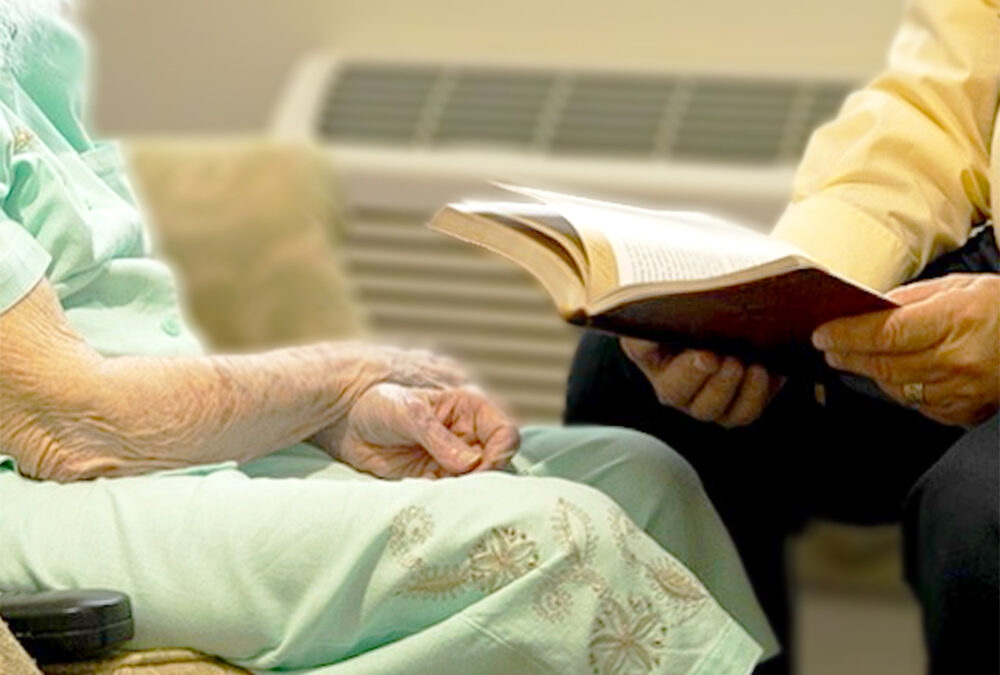
I have actually viewed weight support simply by moving breakfast from a quiet kitchen area to an assisted living dining-room with friends at the table. I've also seen hunger spark in the house when we switched from dry chicken breasts to her mother's chicken soup, made with dill and a squeeze of lemon. The science and the senses both matter.
Meal Preparation in Senior Home Care: Customized, Hands-on, and Highly Personal
At home, you can develop a meal plan around the individual, not the other method around. For some households, that suggests reproducing household dishes and adjusting them for salt or texture. For others, it indicates batch-cooking on Sundays with identified containers and a caregiver reheating and plating during the week. https://footprintshomecare.com/senior-home-care/respite-care/ A home care service can appoint a senior caregiver who is comfortable with shopping, safe knife abilities, and basic nutrition guidance.
An excellent in-home strategy begins with a brief audit. What gets consumed now, and at what times? Which medications connect with food? Exist chewing or swallowing issues? Are dentures uncomfortable? Is the fridge a security hazard with ended items? I like to do a pantry sweep and a three-day intake journal. That surfaces quick wins, like including a protein source to breakfast or switching juice for a lower-sugar alternative if blood sugar level run high.
Dietary limitations are much easier to honor in your home if they specify. Celiac disease, low-potassium kidney diets, or a low-sodium target under 1,500 mg a day can be handled with cautious shopping and a brief rotation of trustworthy recipes. Texture-modified diet plans for dysphagia can be managed with the right tools, from immersion mixers to thickening agents, and an in-home senior care plan can spell out exact preparation steps.
The wildcard is caregiver skill and connection. Not all caretakers delight in cooking, and not all learn beyond standard food safety. When talking to a home care service, ask how they evaluate for cooking ability, whether they train on special diet plans, and how they document a meal strategy. I prefer a simple one-page grid posted on the fridge: days of the week, meals, treats, hydration cues, and notes on preferences. It keeps everyone aligned, particularly if shifts rotate.
Cost in senior home care typically sits in the information. Grocery bills are different. Time for shopping, prep, and clean-up counts toward hourly care. If you pay for 20 hours of care a week, you might wish to obstruct 2 longer shifts for batch cooking to prevent daily inadequacies. You can get good protection for meals with 3 to 4-hour sees numerous days a week, but if the individual has dementia and forgets to consume, you might need higher frequency or tech prompts in between visits.
Meal Preparation in Assisted Living: Standardized, Social, and Consistent
Assisted living communities purchase production kitchen areas and staff. Menus are planned weeks in advance and often evaluated by a dietitian. There's part control, nutrient analysis, and standardized recipes that hit target sodium and calorie ranges. The dining team tracks preferences and allergic reactions, and the better neighborhoods maintain an interaction loop in between dining staff and nursing. If someone is losing weight, the kitchen might include calorie-dense sides or offer strengthened shakes without requiring a member of the family to coordinate.
Structure helps. Meals are served at set times, and personnel visually verify presence. If your mother generally appears for breakfast and unexpectedly doesn't, somebody notifications. For homeowners with early cognitive decrease, that hint is invaluable. Hydration carts make rounds in lots of neighborhoods, and there are snack stations for between-meal intake.
Special diets can be implemented, but the variety depends on the community. Diabetic-friendly choices prevail, as are low-sodium and heart-healthy options. Gluten-free and vegetarian plates are easy. Stringent renal diets or low-potassium strategies are harder during peak service. If dysphagia requires pureed meals or specific IDDSI levels, ask to see examples. Some kitchens do excellent work plating texture-modified foods that look appetizing. Others rely on consistent scoops that discourage eating.
Menu fatigue is real. Even with turning menus, residents often tire of the very same spices profiles. I encourage families to sit for a meal unannounced during a tour, taste a couple of products, and ask citizens how frequently dishes repeat. Inquire about versatile orders, like half portions or swapping sides. The neighborhoods that do this well empower servers to take quick demands without bottlenecking the kitchen.
Appetite, Autonomy, and the Psychology of Eating
A plate is never ever simply a plate. In the house, autonomy can restore hunger. Having the ability to select the blue plate, cook with a familiar pan, or smell onions sautéing in butter modifications willingness to consume. The cooking area itself hints memory. If you're supporting somebody who was a long-lasting cook, pull them into simple actions, even if it is cleaning herbs or stirring soup. That sense of purpose typically enhances intake.
In assisted living, social evidence matters. People consume more when others are eating. The walk, the greetings, the conversation, the personnel's mild prompts to attempt the dessert, all of it develops momentum. I have seen a resident with moderate anxiety move from munching at home to finishing an entire lunch daily after moving into a neighborhood with a vibrant dining room. On the other hand, those who value privacy and quiet in some cases eat less in a busy room and do much better with space service or smaller dining places, which some neighborhoods offer.
Caregivers also influence hunger. A senior caregiver who plates neatly, seasons well, and eats a small, different meal during the shift can stabilize eating without pressure. In a community, a warm server who remembers you like lemon with fish will win more bites than a rushed handoff. These human details different sufficient nutrition from truly supportive nutrition.
Managing Chronic Conditions Through Meals
Nutrition is not a side note when persistent disease is involved. It is a front-line tool.
- Diabetes: In your home, you can tune carbohydrate load exactly to blood glucose patterns. That might imply 30 to 45 grams of carb per meal, with protein at breakfast to blunt mid-morning spikes. In assisted living, carb counts may be standardized, but personnel can help by using smart swaps and timing treats around insulin. The key is paperwork and interaction, specifically when insulin timing and meal timing should match to prevent hypoglycemia. Heart failure and hypertension: A low-sodium plan implies more than avoiding the shaker. It implies reading labels and preventing covert sodium in breads, soups, and deli meats. Home care allows for stringent control with use of herbs, citrus, and vinegar to keep flavor. Assisted living cooking areas can deliver low-sodium plates, but if the resident also likes the neighborhood's soup of the day, salt can approach unless personnel strengthen choices. Kidney illness: Potassium and phosphorus constraints need cautious preparation. At home, you can choose particular fruits, leach potatoes, and handle dairy intake. In a community, this is manageable however needs coordination, given that renal diet plans frequently diverge from basic menus. Ask whether a kidney diet plan is truly supported or only noted. Dysphagia: Texture and liquid thickness levels need to be precise every time. Home settings can deliver consistency if the caretaker is trained and tools are stocked. Communities with speech treatment partners typically excel here, however evaluating the waters with a sample tray is wise. Unintentional weight reduction: Calorie density helps. In your home, a caregiver can include olive oil to veggies, utilize entire milk in cereals, and serve small, regular treats. In assisted living, strengthened shakes, additional spreads, and calorie-dense desserts can be routine, and personnel can monitor weekly weights. Both settings gain from layering taste and texture to spark interest.
Safety, Sanitation, and Reliability
Food safety is in some cases taken for granted until the very first case of foodborne disease. Assisted living has integrated defenses: temperature level logs, first-in-first-out stock, ServSafe-trained staff, and inspections. In your home, safety depends on the caregiver's knowledge and the state of the cooking area. I have opened refrigerators with multiple leftovers labeled "Tuesday?" and a forgotten rotisserie chicken behind the milk. A home care plan must include refrigerator checks, labeling practices, and dispose of dates. Purchase a food thermometer. Post a small guide: safe temperature levels for poultry, beef, fish, and reheats.
Reliability varies too. In a community, the kitchen area serves 3 meals even if a cook calls out. In your home, if a caretaker you rely on ends up being ill, you may pivot to meal delivery for a few days. Some families keep a stocked freezer and a lineup of shelf-stable backup meals for these gaps. The most durable strategies have redundancy baked in.
Cost, Worth, and Where Meals Suit the Budget
Cost comparisons are tricky since meals are bundled in a different way. Assisted living folds three meals and snacks into a regular monthly cost that might also cover housekeeping, activities, and fundamental care. If you determine just the food part, you're paying for the kitchen infrastructure and personnel, not simply components. That can still be affordable when you think about time conserved and minimized caregiver hours.
In senior home care, meals land in 3 buckets: groceries, caretaker time for shopping and cooking, and any outdoors services like dietitian consults. If you already pay for individual care hours, tacking on meal prep is logical. If meals are the only task required, the per hour rate may feel steep compared to provided options. Numerous households blend methods: caregiver-prepared suppers and breakfasts, plus a weekly delivery of heart-healthy soups or ready proteins to stretch care hours.
The better calculation is value. If assisted living meals drive consistent intake and support health, avoiding hospitalizations, the worth is apparent. If staying at home with a familiar cooking area keeps your loved one engaged and consuming well, you acquire lifestyle together with nutrition.
Family Participation and Documentation
At home, household can remain ingrained. A daughter can drop off a favorite casserole. A grandson can FaceTime throughout lunch as a cue to eat. A simple note pad on the counter tracks what was eaten, fluid consumption, weight, and any concerns. This is particularly valuable when collaborating with a doctor who needs to see patterns, not guesses.
In assisted living, involvement looks various. Households can sign up with meals, supporter for preferences, and review care strategies. Numerous communities will add notes to the resident's profile: "Provides tea with honey at 3 pm," or "Avoids spicy food, chooses mild." The more particular you are, the better the result. Share recipes if a cherished dish can be adapted. Ask to see weight trends and be proactive if numbers dip.
Sample Day: Two Courses to the Same Goal
Here is a succinct snapshot of a common day for a 165-pound older adult with type 2 diabetes and moderate high blood pressure who loves savory breakfasts and dislikes sweet shakes. The aim is roughly 1,900 calories and 90 to 100 grams of protein, with moderate carbohydrates and lower sodium.
- At home with senior home care: Breakfast at 9 am, a one-egg plus two-egg-white omelet with spinach and mushrooms, a sprinkle of feta for taste if salt allows, and half an English muffin with avocado. Unsweetened tea and a little bowl of berries. Mid-morning, 12 ounces of water. Lunch at 1 pm, lemon-herb baked salmon, quinoa tossed with sliced parsley and olive oil, and roasted carrots. Water with a squeeze of citrus. A short walk or light chair exercises. Mid-afternoon, plain Greek yogurt with cinnamon and chopped walnuts. Dinner at 6 pm, chicken soup based on a family recipe adapted with lower-sodium stock, extra vegetables, and egg noodles. A side of chopped tomatoes dressed with olive oil and vinegar. Evening herbal tea. The caretaker plates parts attractively, logs intake, and preparations tomorrow's vegetables. In assisted living: Breakfast at 8:30 remain in the dining room, option of veggie omelet with chopped tomatoes, whole-wheat toast with avocado, coffee or tea. Staff knows to hold the bacon and offer berries rather. Mid-morning hydration cart provides water and lemon slices. Lunch at twelve noon, baked herb salmon or roast chicken, wild rice pilaf, steamed vegetables, and a side salad. Carb-conscious dessert alternative, like fresh fruit. Afternoon activity with iced water provided. Supper at 5:30 pm, chicken and vegetable soup, turkey meatloaf as an alternative meal, mashed cauliflower instead of potatoes on request. Plain yogurt available from the always-available menu if appetite is light. Personnel document intake patterns and alert nursing if numerous meals are skipped.
Both courses reach similar nutrition targets, however the path itself feels different. One leans on customization and home routines. The other builds structure and social support.
When Dementia Makes complex Eating
Dementia shifts the calculus. In early phases, staying home with triggers and visual cues can work well. Color-contrasted plates, finger foods, and simplified choices assist. As memory declines, individuals forget to initiate eating, or they pocket food. Late-day confusion can derail dinner. In these phases, a senior caregiver can hint, model, and use little snacks frequently. Short, quiet meals might beat a long, overwhelming spread.
Assisted living neighborhoods that concentrate on memory care often style dining spaces to minimize distraction, use high-contrast dishware, and train staff in cueing techniques. Household recipes still matter, but the regulated environment typically improves consistency. Watch for real-time adaptation: swapping utensils for hand-held foods, using one product at a time, and appreciating pacing without letting meals extend past safe windows.
The Concealed Work: Shopping, Storage, and Setup
At home, success lives in the details. Label shelves. Location healthier options at eye level. Pre-portion nuts or cheese to prevent overindulging that surges salt or hydrogenated fat. Keep a hydration plan visible: a filled carafe on the table, a pointer on the medication box, or a mild Alexa trigger if that's welcome. For those with minimal movement, consider a rolling cart to bring ingredients to the counter safely. Evaluation expiration dates weekly.
In assisted living, ask how treats are handled. Are healthy alternatives readily offered, or does a resident requirement to ask? How are allergies managed to avoid cross-contamination? If your loved one wakes early or late, is food available outdoors mealtimes? These small systems shape day-to-day consumption more than menus on paper.
Red Flags That Call for a Change
I pay attention to patterns that recommend the existing setup isn't working.
- Weight modifications of more than 5 pounds in a month without intent, or a slow drift of 10 pounds over six months. Lab values shifting in the wrong direction connected to consumption, such as A1C increasing in spite of medication. Recurrent dehydration, constipation, or urinary tract infections connected to low fluid intake. Emerging choking or coughing at meals, extended mealtimes, or regular food refusals. Caregiver mismatch, such as a home aide who dislikes cooking or a community dining-room that overwhelms a delicate eater.
Any of these hints recommend you should reassess. In some cases a little tweak resolves it, like moving the primary meal to midday, seasoning more assertively, or including a mid-morning protein snack. Other times, a larger change is needed, such as moving from independent living meals to assisted living, or increasing home care hours to consist of breakfast and lunch support.
How to Choose: Concerns That Clarify the Fit
Use these questions to focus the decision without getting lost in brochures.
- What setting finest supports consistent consumption for this person, offered their energy, memory, and social preferences? Which unique diet plans are non-negotiable, and which are choices? Can the setting honor both? How much cooking ability does the senior caretaker bring, and how will that be verified? In assisted living, who keeps track of weight, and how quickly are interventions made when intake declines? What backup exists when plans stop working? For home care, exists a pantry of healthy shelf-stable meals? For assisted living, can meals be given the room without charge when a resident is unwell?
A Practical Middle Ground
Many households land on a mixed method across time. Early on, elderly home care keeps a parent in familiar surroundings with meals customized to lifelong tastes, perhaps augmented by a weekly shipment of soups and stews. As needs increase, some relocate to assisted living where social dining and constant service defend against skipped meals. Others stay home however include more caregiver hours and generate a signed up dietitian quarterly to adjust strategies. Flexibility is a property, not an admission of failure.
What Great Looks Like, No Matter Setting
A strong nutrition setup has a few universal markers: the person consumes most of what is served without pressure, delights in the tastes, and keeps stable weight and energy. Hydration is steady. Medications and meal timing are balanced. Data is easy however present, whether in a note pad on the counter or a chart in the nurse's workplace. Everyone involved, from the senior caregiver to the dining personnel, respects the person's history with food.
I think of a customer named Marjorie who adored tomato soup and grilled cheese. In her eighties, after a hospitalization, her child worried that home cooking would blow salt limitations. We jeopardized. At home with senior home care, we built a low-sodium tomato soup with roasted tomatoes, garlic, and a homemade stock, served with a single slice of whole-grain bread and a sharp cheddar melted in a nonstick pan utilizing a light hand. She ate everything, smiled, and asked for it once again 2 days later on. Her blood pressure stayed constant. The food tasted like her life, not like a diet. That is the objective, whether the bowl rests on her own cooking area table or gets here on a linen-covered one down the hall in assisted living.
Nutrition is individual. Senior home care and assisted living take various roads to get there, but both can deliver meals that nourish body and spirit when the strategy fits the individual. Start with who they are, what they love, and what their health demands. Construct from there, and keep listening. The plate will tell you what is working.
FootPrints Home Care is a Home Care Agency
FootPrints Home Care provides In-Home Care Services
FootPrints Home Care serves Seniors and Adults Requiring Assistance
FootPrints Home Care offers Companionship Care
FootPrints Home Care offers Personal Care Support
FootPrints Home Care provides In-Home Alzheimer’s and Dementia Care
FootPrints Home Care focuses on Maintaining Client Independence at Home
FootPrints Home Care employs Professional Caregivers
FootPrints Home Care operates in Albuquerque, NM
FootPrints Home Care prioritizes Customized Care Plans for Each Client
FootPrints Home Care provides 24-Hour In-Home Support
FootPrints Home Care assists with Activities of Daily Living (ADLs)
FootPrints Home Care supports Medication Reminders and Monitoring
FootPrints Home Care delivers Respite Care for Family Caregivers
FootPrints Home Care ensures Safety and Comfort Within the Home
FootPrints Home Care coordinates with Family Members and Healthcare Providers
FootPrints Home Care offers Housekeeping and Homemaker Services
FootPrints Home Care specializes in Non-Medical Care for Aging Adults
FootPrints Home Care maintains Flexible Scheduling and Care Plan Options
FootPrints Home Care is guided by Faith-Based Principles of Compassion and Service
FootPrints Home Care has a phone number of (505) 828-3918
FootPrints Home Care has an address of 4811 Hardware Dr NE d1, Albuquerque, NM 87109
FootPrints Home Care has a website https://footprintshomecare.com/
FootPrints Home Care has Google Maps listing https://maps.app.goo.gl/QobiEduAt9WFiA4e6
FootPrints Home Care has Facebook page https://www.facebook.com/FootPrintsHomeCare/
FootPrints Home Care has Instagram https://www.instagram.com/footprintshomecare/
FootPrints Home Care has LinkedIn https://www.linkedin.com/company/footprints-home-care
FootPrints Home Care won Top Work Places 2023-2024
FootPrints Home Care earned Best of Home Care 2025
FootPrints Home Care won Best Places to Work 2019
People Also Ask about FootPrints Home Care
What services does FootPrints Home Care provide?
FootPrints Home Care offers non-medical, in-home support for seniors and adults who wish to remain independent at home. Services include companionship, personal care, mobility assistance, housekeeping, meal preparation, respite care, dementia care, and help with activities of daily living (ADLs). Care plans are personalized to match each client’s needs, preferences, and daily routines.
How does FootPrints Home Care create personalized care plans?
Each care plan begins with a free in-home assessment, where FootPrints Home Care evaluates the client’s physical needs, home environment, routines, and family goals. From there, a customized plan is created covering daily tasks, safety considerations, caregiver scheduling, and long-term wellness needs. Plans are reviewed regularly and adjusted as care needs change.
Are your caregivers trained and background-checked?
Yes. All FootPrints Home Care caregivers undergo extensive background checks, reference verification, and professional screening before being hired. Caregivers are trained in senior support, dementia care techniques, communication, safety practices, and hands-on care. Ongoing training ensures that clients receive safe, compassionate, and professional support.
Can FootPrints Home Care provide care for clients with Alzheimer’s or dementia?
Absolutely. FootPrints Home Care offers specialized Alzheimer’s and dementia care designed to support cognitive changes, reduce anxiety, maintain routines, and create a safe home environment. Caregivers are trained in memory-care best practices, redirection techniques, communication strategies, and behavior support.
What areas does FootPrints Home Care serve?
FootPrints Home Care proudly serves Albuquerque New Mexico and surrounding communities, offering dependable, local in-home care to seniors and adults in need of extra daily support. If you’re unsure whether your home is within the service area, FootPrints Home Care can confirm coverage and help arrange the right care solution.
Where is FootPrints Home Care located?
FootPrints Home Care is conveniently located at 4811 Hardware Dr NE d1, Albuquerque, NM 87109. You can easily find directions on Google Maps or call at (505) 828-3918 24-hoursa day, Monday through Sunday
How can I contact FootPrints Home Care?
You can contact FootPrints Home Care by phone at: (505) 828-3918, visit their website at https://footprintshomecare.com, or connect on social media via Facebook, Instagram & LinkedIn
A ride on the Sandia Peak Tramway or a scenic drive into the Sandia Mountains can be a refreshing, accessible outdoor adventure for seniors receiving care at home.